
Hempel Silic One DIY: How to Apply Silicone Antifouling to a Sailboat
How to Apply Hempel Silic One Silicone Antifouling Yourself
For quite some time, I had been thinking about trying Hempel Silic One silicone antifouling the next time my sailboat was hauled out of the water. The problem was that both the amount of work involved and the cost of having it professionally applied seemed quite high.
Eventually, the opportunity came up, so I did the maths, worked out the potential long-term savings and decided to take on the whole job myself.
In the video below, I show you my complete experience applying Hempel Silic One to a 10-metre sailboat: how we prepared the hull, the application process, the most important conditions to watch out for, and the mistakes you need to avoid when applying a silicone-based antifouling system yourself.
We also carried out real-world tests to see whether this biocide-free foul-release coating actually improves performance, how effective its self-cleaning properties are and whether the extra initial cost can pay for itself over time.
Tools and Materials Used for the Silic One Application
During the hull preparation and antifouling application process, we used several tools and products mentioned in the video. Here are the updated links:
- ✅ The paint scraper I used — a magical little tool that seems to do almost everything: https://amzn.to/4yrOUro
- ✅ The random orbital sander I bought: https://amzn.to/4r12MX4
- ✅ Foam pad adapter for my sander: https://amzn.to/3SSkX4l
- ✅ The professional sander I was lent to speed up the job: https://amzn.to/3UUPFuk
- ✅ Hempel’s official Silic One website: https://www.hempelyacht.com/en-us/products/biocide-free/silic-one/case-1
- ✅ Hempel Paint Calculator: https://yachtpaintcalculator.com/
- ✅ A big thank you to the team at Cleanautic: http://cleanautic.com/. They helped us with advice, lent us equipment and gave us a hand during the project. They also have extensive first-hand experience applying silicone antifouling systems to many different boats.
The Three Most Important Things When Applying Silic One
If you decide to apply Hempel Silic One yourself, there are three factors that are particularly important: humidity, drying and overcoating times, and coating thickness.
1. Humidity and Weather Conditions
Excess moisture must be avoided throughout the application process, particularly when applying and curing the Silic One Tiecoat and when applying the first coat of silicone.
The Tiecoat must not get wet during the first six hours, and the temperature needs to remain above 10°C during the curing process. Choosing the right weather window is therefore extremely important if you are doing the job outdoors.
2. Drying and Overcoating Times
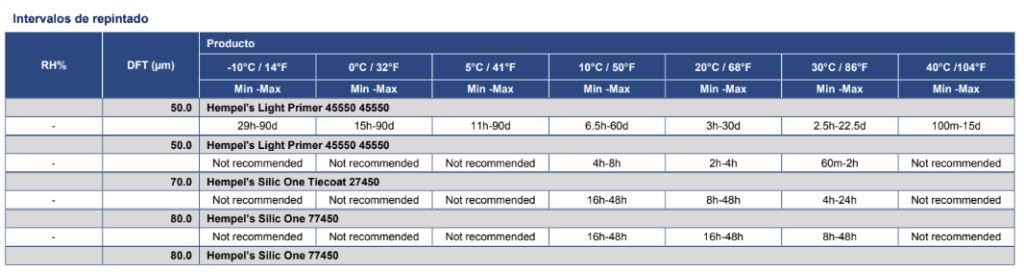
The manufacturer’s drying and overcoating times need to be followed carefully, as they vary depending on temperature.
The timing between the final primer coat and the Tiecoat is especially important. The next product must be applied within the correct overcoating window to ensure proper adhesion between layers.
3. Correct Coating Thickness
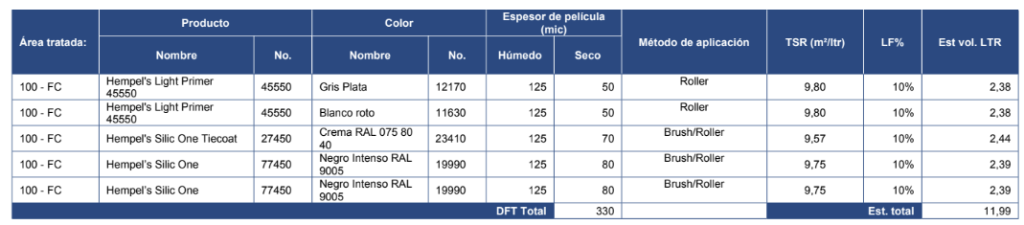
Silicone antifouling needs to reach a minimum specified film thickness in order to work correctly. That means applying the recommended amount of product and the correct number of coats.
Trying to stretch the paint too far in order to save money can leave the coating too thin and reduce its effectiveness. Calculating the correct quantity for your hull before starting the job is therefore essential.
Does Silicone Antifouling Make a Boat Faster?
One of the most interesting claims surrounding silicone antifouling is that its extremely smooth surface can reduce drag compared with a conventional antifouling coating.
In our own tests after applying Silic One, we measured a 16% improvement in boat speed under the conditions shown in the video. Of course, boat speed depends on many factors, so this should be considered the result of our particular test rather than a universal performance figure for every boat.
What was immediately noticeable, however, was how smooth and slippery the finished hull felt.
Silicone Antifouling vs Traditional Antifouling
Unlike conventional antifouling paints designed to prevent marine growth through biocides, Silic One is a biocide-free foul-release system. Its very smooth silicone surface is designed to make it more difficult for fouling to attach firmly to the hull and easier for growth to be removed as the boat moves through the water.
The initial application is more involved than simply adding another coat of conventional antifouling, especially if the existing hull coating needs to be removed or isolated first. However, one of the reasons we wanted to test the system was its potential to reduce maintenance and haul-out costs over the following seasons.
Is Hempel Silic One Worth It?
After doing the entire application ourselves, my experience was much more positive than I initially expected. The preparation takes time and the different coating stages need to be followed carefully, but it is perfectly possible for an experienced DIY boat owner to carry out the job.
If the coating performs as expected over several seasons, the potential advantages are significant: less fouling, easier hull cleaning, potentially lower drag and fewer conventional antifouling applications.
My goal after applying it was to keep the boat in the water for up to three years without having to haul her out simply to repaint the antifouling. In the video, I explain the costs, the expected savings and the reasoning behind that decision.
Frequently Asked Questions About Hempel Silic One
Can you apply Hempel Silic One yourself?
Yes. Silic One can be applied as a DIY project, but hull preparation, weather conditions, drying times, overcoating windows and the correct amount of product are all critical. In the video above, I show the complete process we followed on our 10-metre sailboat.
Is Silic One an antifouling paint?
Silic One is better described as a silicone foul-release coating. Instead of relying on biocides in the same way as many traditional antifouling paints, it creates a very smooth surface designed to reduce the ability of marine organisms to adhere strongly to the hull.
Does Silic One improve boat speed?
A smoother underwater hull can potentially reduce drag. In the test shown in our video, we recorded a 16% improvement under our test conditions, although the result will obviously vary depending on the boat, hull condition, fouling, weather and many other factors.
How long does Hempel Silic One last?
The durability of any antifouling or foul-release system depends on the boat, how it is used, where it is kept and the local fouling conditions. One of the main reasons for carrying out this test was to find out how Silic One performs on our own sailboat over several seasons.
If you are considering changing from conventional antifouling to a silicone-based system, I strongly recommend watching the complete video before starting. It covers the hull preparation, application process, costs, quantities, drying times, practical problems and the results of our first tests.