Orca attacks, solutions and fixes of fortune
Orca attacks and interactions with sailboats have become a major concern for sailors navigating the Strait of Gibraltar, the Atlantic coast of Spain and Galicia. In this episode of The Low Cost Sailor, we take a practical look at what happens during an encounter with Iberian orcas, why they so often target a sailboat’s rudder, what sailors can do, and how to deal with serious rudder damage at sea.
Orca attacks on sailboats: what actually happens?
This is not simply an opinion video. We wanted to approach the subject from a practical sailing perspective: what happens during an orca encounter, what should you do, which deterrent methods have been reported by sailors, and what can you do if your rudder is damaged or destroyed?
We look at real encounters involving Iberian orcas and sailing boats, including footage of several incidents, and examine the characteristic pattern seen in many of them: the animals approach the boat, interact with the hull and then concentrate much of their attention on the rudder. In serious cases this can result in rudder damage, loss of steering and the need for outside assistance.
We also review the official recommendations available when the video was originally recorded, together with some of the deterrent methods that sailors, researchers and other sources have discussed over the years.
Important: this episode was originally recorded several years ago. Regulations and official recommendations concerning encounters with Iberian orcas may have changed since then. Always check the latest official guidance before navigating through areas where interactions are taking place.
What to do during an orca encounter
One of the main goals of this episode is to understand the options available to a skipper during an orca encounter at sea. We compare the official guidance with reports and experiences from sailors who have faced these situations, while also looking at the legal and practical limitations of different deterrent methods.
The video also includes our own underwater sound tests and discusses several ideas that have been proposed to discourage orcas from remaining close to a vessel. Some of the techniques mentioned in the episode may be restricted or prohibited depending on current legislation, so they should not be interpreted as current legal recommendations.
Emergency rudder repairs after an orca attack
Perhaps the most useful part of the video for any sailor is what comes afterwards. If an orca encounter — or any other accident at sea — leaves your boat without effective steering, being able to improvise an emergency rudder can make the difference between returning to port under your own power and having to request a tow.
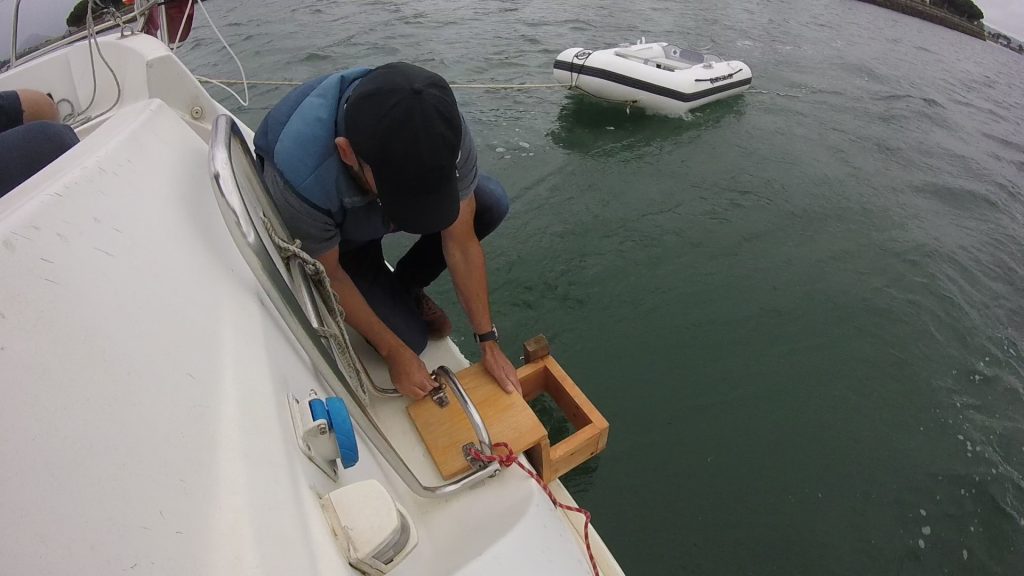
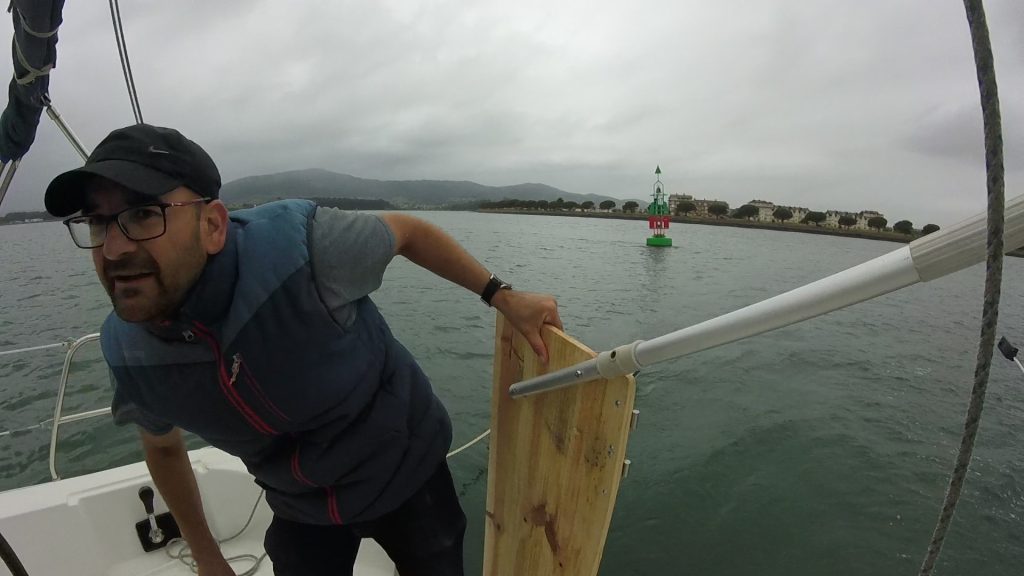
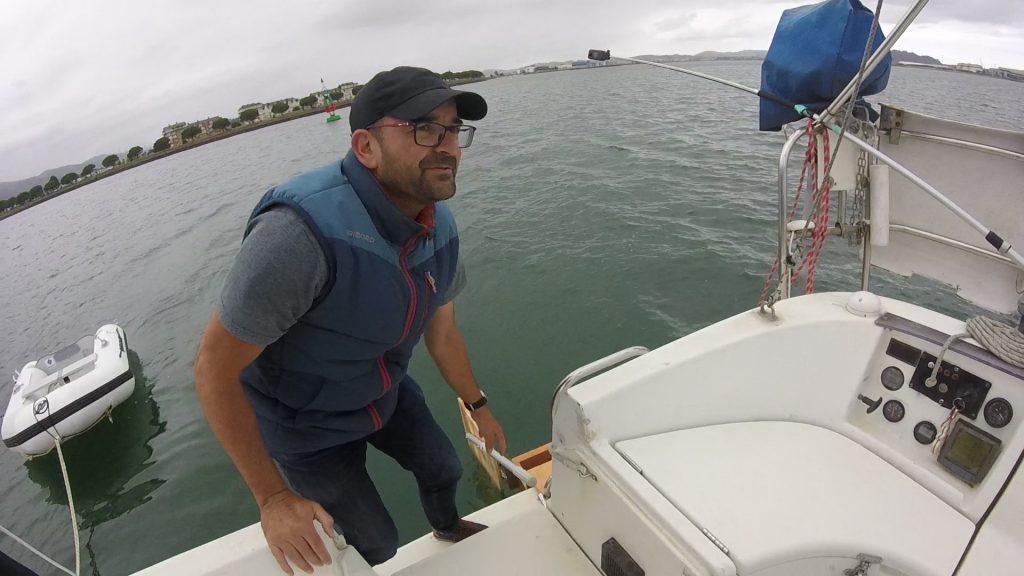
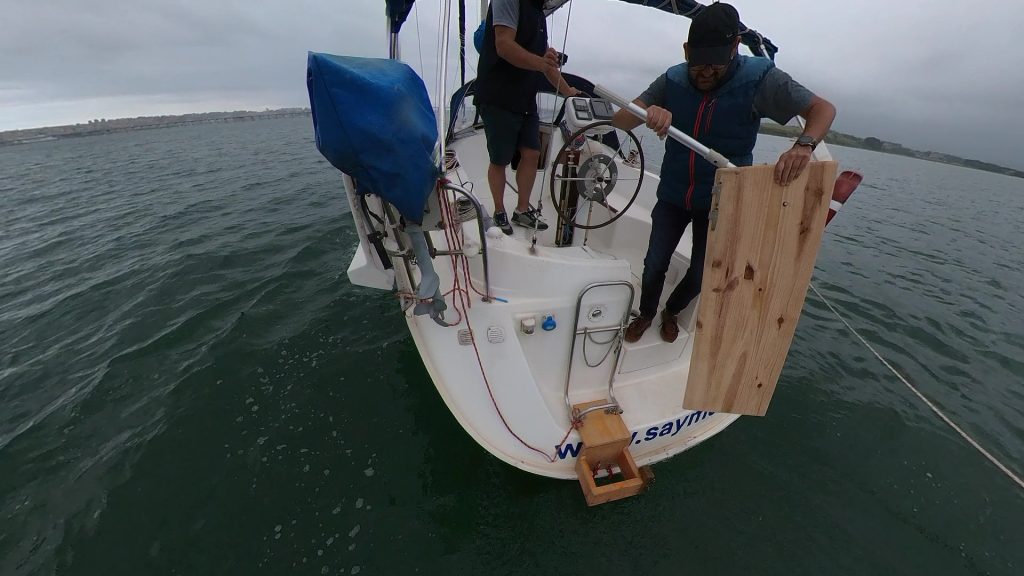
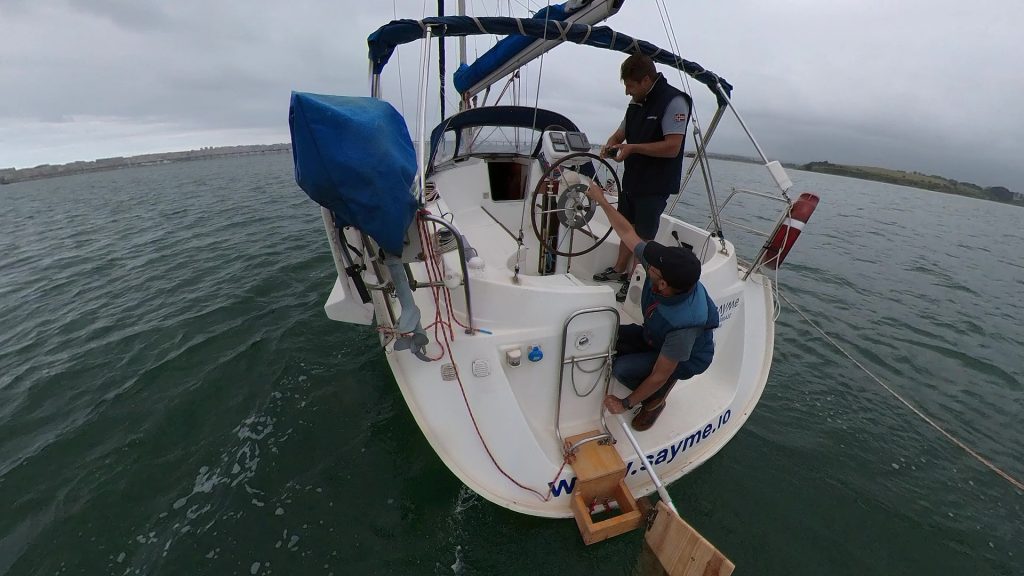
We show the simple homemade emergency steering system that I designed for my sailboat using the existing removable outboard motor bracket, a wooden board and one of the boat’s oars as a tiller. The result is a surprisingly effective emergency rudder that allows the boat to be steered both under engine and under sail.
Although this video focuses on orca damage to sailboats, the same emergency steering solution could also be useful after striking a submerged object, suffering a mechanical failure or losing the rudder for any other reason.
Sources and further information about Iberian orcas
Special thanks to the sailors, researchers and organisations that have documented these encounters, often in extremely stressful circumstances. These are some of the main sources used while preparing the episode:
- Official reference website on Iberian orcas:
Orca Ibérica – information about Iberian orca interactions - La Taberna del Puerto sailing forum:
La Taberna del Puerto - Scientific study on Iberian killer whale / orca interactions:
Killer whales of the Strait of Gibraltar: an endangered subpopulation showing disruptive behaviour - NOAA information on methods used to keep killer whales away from oil spills:
How do you keep killer whales away from an oil spill?
Videos referenced in this episode
- Orca interaction reference video 1
- Orca interaction reference video 2
- Orca interaction reference video 3
- Orca interaction reference video 4
- Orca interaction reference video 5
Equipment and products featured in the video
Some of the equipment shown in the episode is useful not only in the context of an orca encounter, but also as part of a broader sailboat emergency repair and safety kit.
- Inflatable killer whale
View on Amazon - Retractable outboard motor bracket – useful as the basis for an emergency rudder system
View on Amazon - 2L mini scuba tank – useful for underwater inspection and certain emergency maintenance tasks
AliExpress: 2L mini scuba tank on AliExpress
Official Store: SMACO S700 Plus 2L mini scuba tank - 12V high-pressure compressor for filling the scuba tank on board or at home
AliExpress – the model I currently use: 12V compressor on AliExpress
Official Store: SMACO HEAP-1 12V compressor
Some of the links above may be affiliate links. Using them does not increase the price you pay and helps support The Low Cost Sailor and the production of new sailing videos.
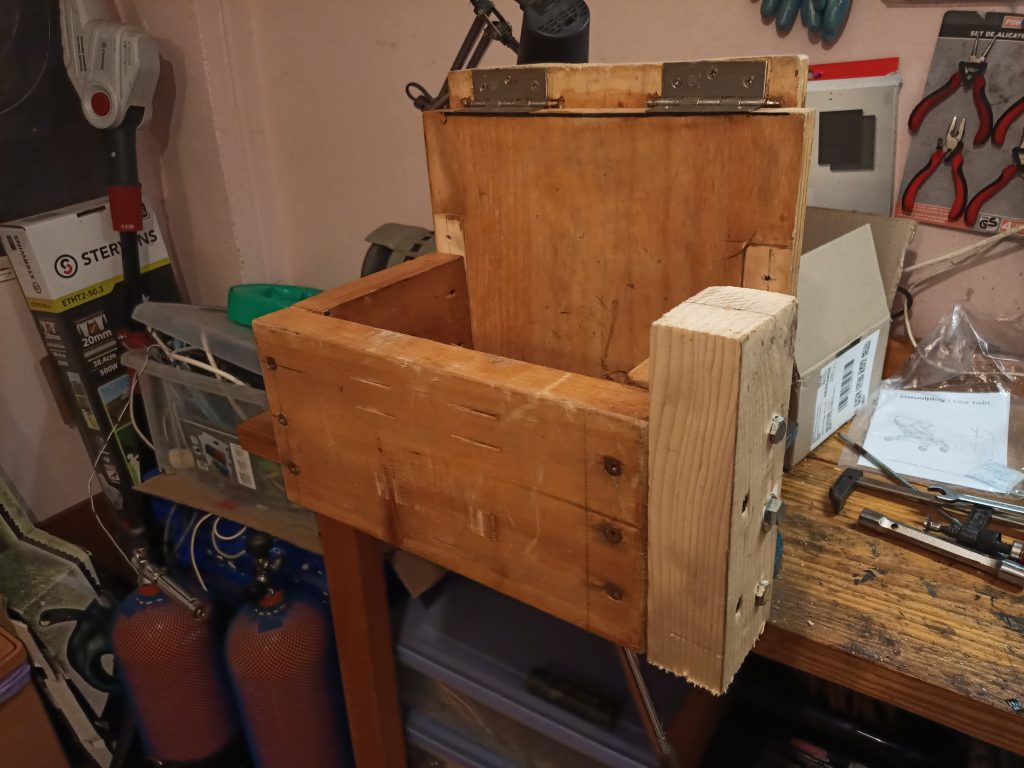
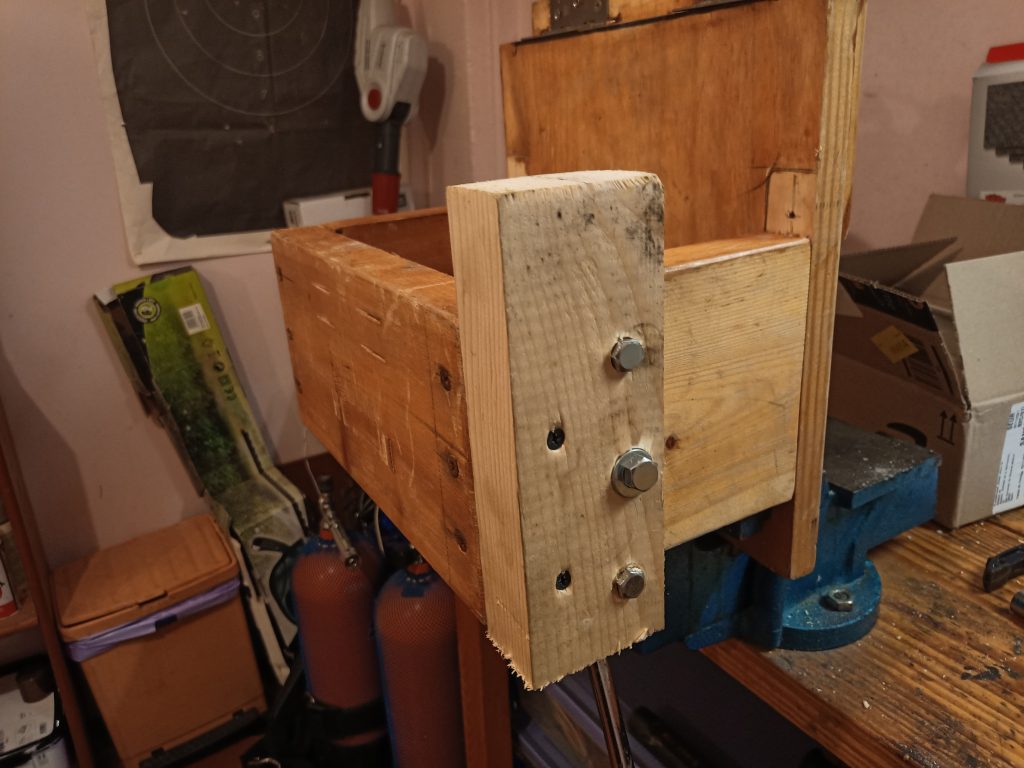
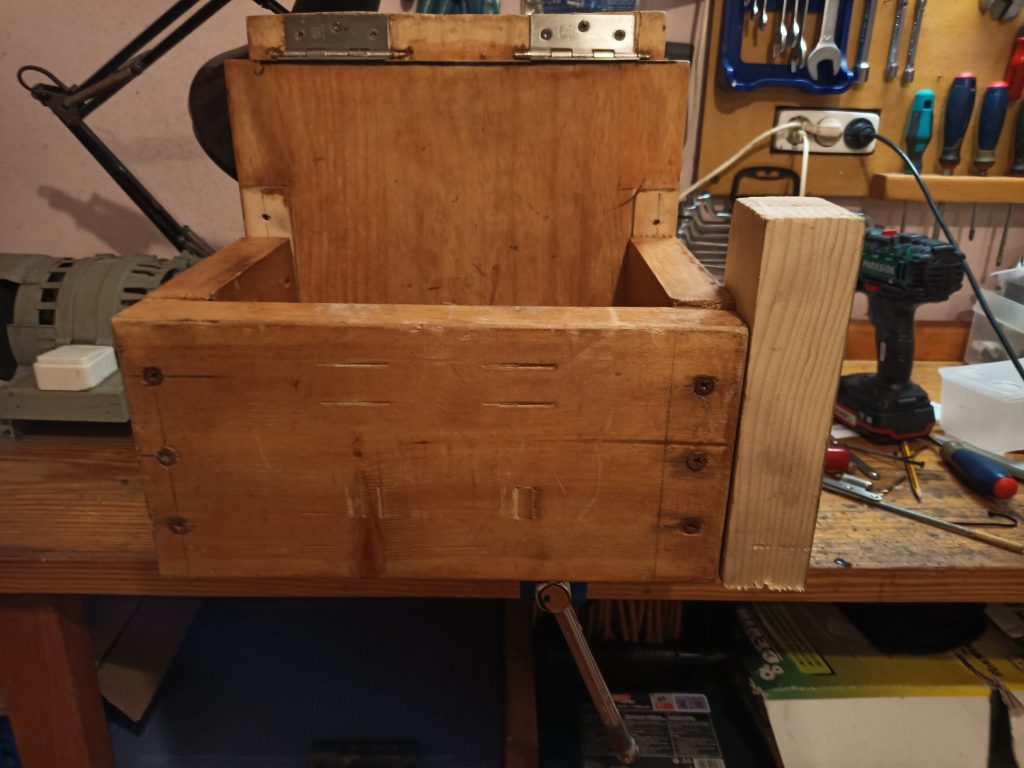
Building our homemade emergency rudder
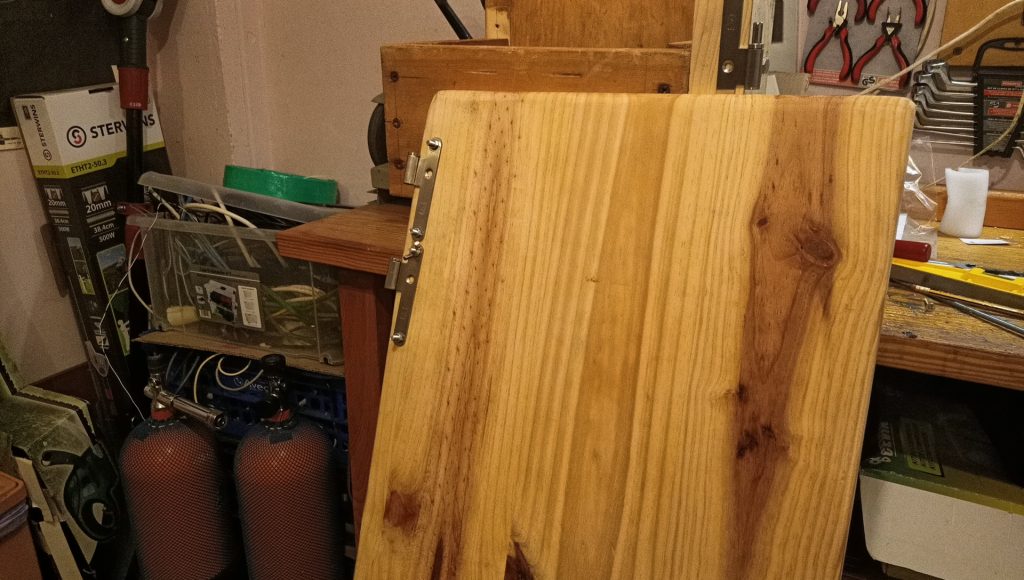
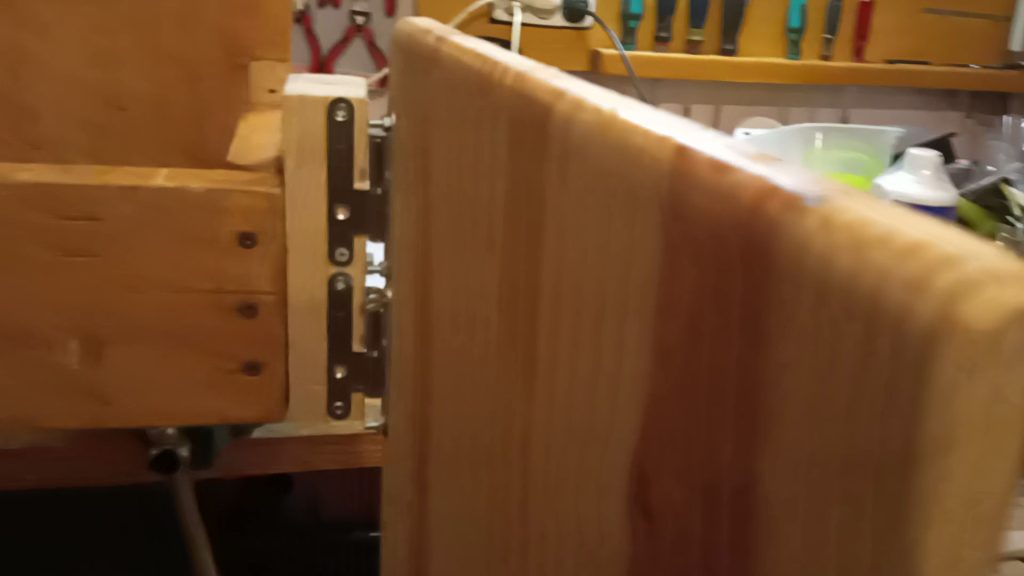
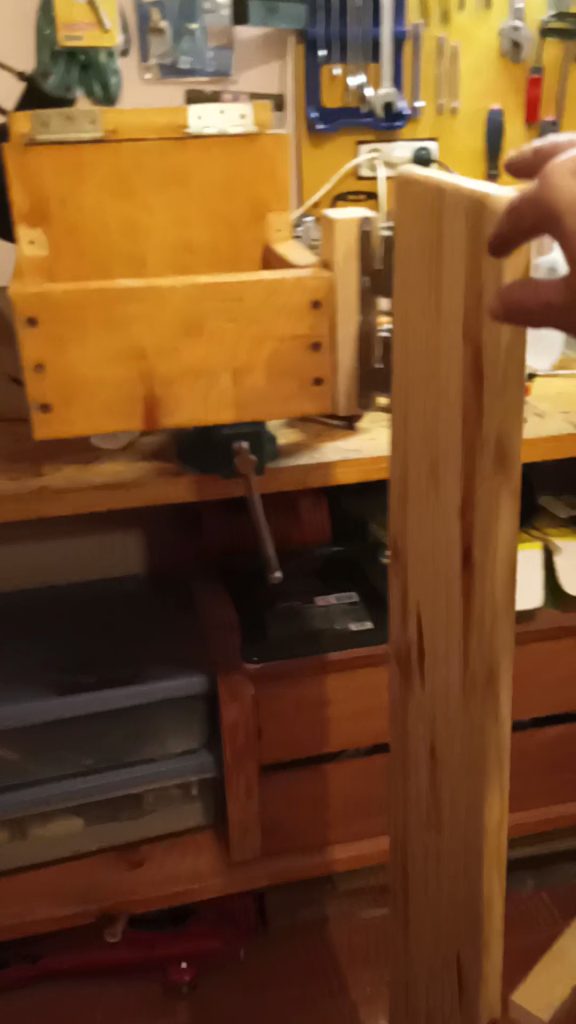
Below you can see several photos showing the construction and installation of our homemade emergency rudder for a sailboat. The basic system worked very well during our tests, although there are two improvements I would make to the final design:
- Increase the distance between the hinges to roughly twice the current spacing. This reduces the lateral load on each hinge and produces a stronger assembly.
- Raise the rudder blade slightly higher. This would make the system more comfortable to operate while also reducing the unnecessary immersed surface area.
The concept is deliberately simple: use equipment already carried on board wherever possible and create an emergency steering system that can be installed quickly if the boat’s main rudder becomes unusable.

Orca encounters: preparation can make the difference
An encounter with Iberian orcas is an unusual situation, but for sailors travelling through affected areas it is worth understanding the risks and preparing for the possibility of rudder damage or loss of steering.
Knowing your boat, understanding how its rudder can be disconnected if necessary, carrying suitable emergency equipment and having a plan for improvised steering can all make it much easier to deal with a serious failure at sea.
If you have experienced an orca interaction while sailing in Spain, Portugal, Galicia or the Strait of Gibraltar, tell us what happened and how you dealt with it in the comments. Sharing real sailing experiences can be extremely useful for other sailors.